Murder, She Wrote: Wheel of Death and the Carnival Trope
Carnivals are a fairly literal example of the outsiders, the others, coming into a community. Different works have tackled this in various ways.
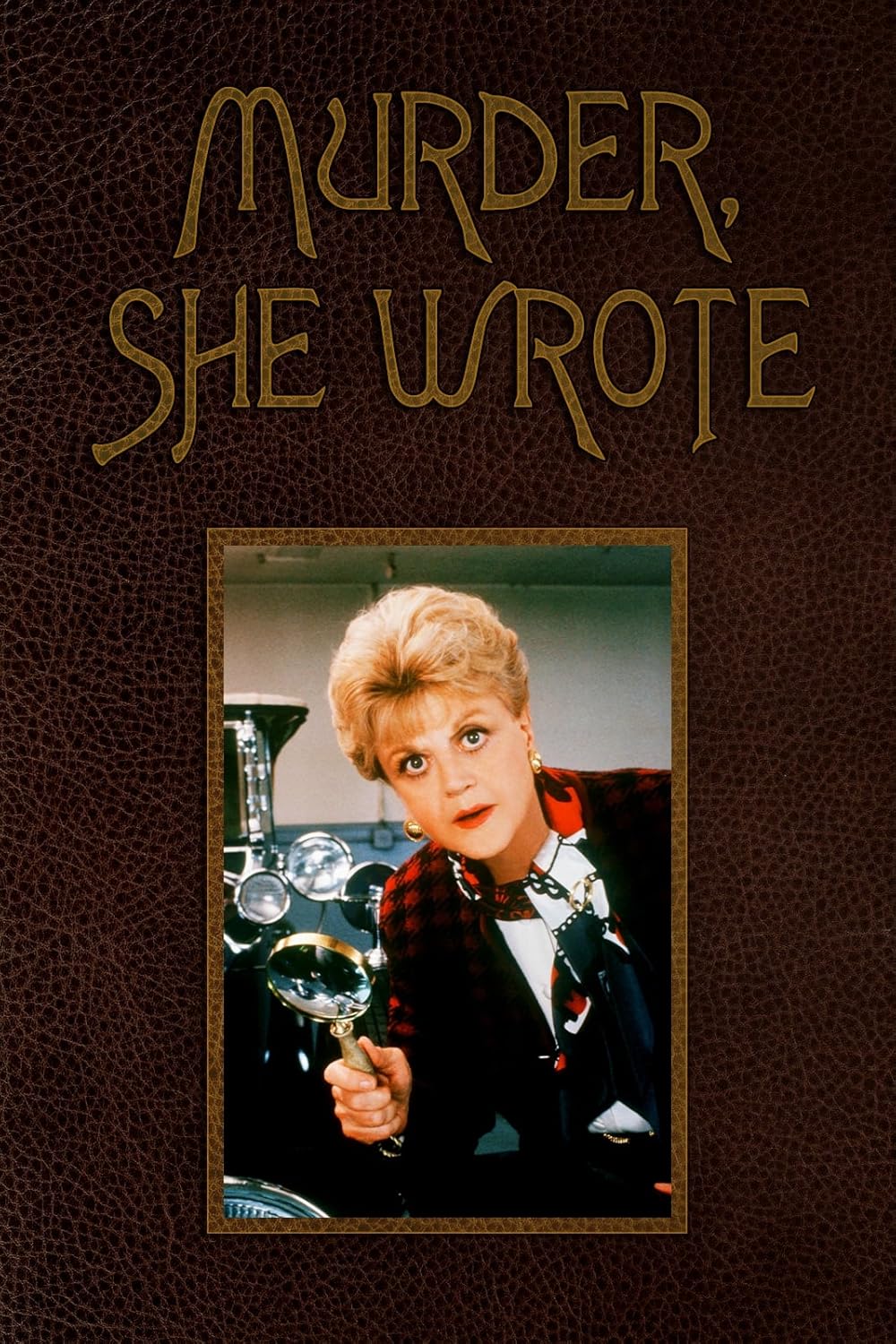
Since starting this new site I have neglected to do anything on Murder, She Wrote! I have truly missed watching and writing about it. Hopefully going forward I can correct that! Since we are kicking off Murder, She Wrote, I decided todo a Cabot Cove episode. As you may or may not be aware, depending on if you read my older pieces on other sites, I love the Cabot Cove episodes. I like the regulars, and they bring a certain something to the series. I truly wish there had been more that took place there.
“Wheel of Death” sees a traveling carnival make its way to Cabot Cove for a charity event. This episode has a lot going on in terms of both mysteries and drama. In fact, for a show that is well known for its over-the-top and often cheesy – but lovely – theatrics, this is one of the most. There is also a lot going on plot-wise.
Jessica and Seth prepare to go to the carnival, and Jessica notices that some things from her house are missing. At the same time, Sheriff Metzger is interviewing another woman who has been robbed. This interaction informs the audience that there has been a string of robberies in Cabot Cove. Many people want to blame the carnival, even though the robber clearly seems to know the victims’ schedules, and the carnival hasn’t been in town all that long.
While this is happening, a carnival worker comes in for permits, and we learn that Sheriff Metzger is her jilted lover. They were dating in college, and she left him for another man, who she still works with.
When Seth and Jessica, as representatives for the charity, go to see the figures of how the carnival is doing, and they are shocked to find out not well at all. Jessica is even further put out because she has seen how crowded it is, but the man running the carnival insists that people are there but not spending money. A local girl, Lisa, actually accidentally tips Jessica off to the fact that the man running the carnival is lying about the figures.
Lisa also starts a flirtatious relationship with a roustabout, Toby, who hates his job. They seem to really like each other; however, a local boy, Richard, keeps trying to steal her attention. She admits to Jessica that she doesn’t like Richard and that going on dates with him was only a means to have something to do on Saturday nights.
THEN – yes, I am serious, there is more – we see that a man in a “grey suit” is talking to one of the carnival workers, trying to get him to steal something from the head of the carnival.
All of this, and we haven’t even gotten to the murder part of the episode. Two pseudo love triangles, a thief in Cabot Cove, the head of the carnival stealing from the carnival, and thus the charity, and some unknown thing happening with a mysterious man and a carnival worker.
We do eventually get the to murder when Lisa goes to the carnival late at night and watches some unknown person kill the man in charge. She is scared and uncertain who it was so runs away. There is a whole lot that happens, including Metzger believing his ex and her husband must be responsible. I don’t want to get into every single detail, I think despite its silliness this is an episode worth watching so we’ll fast forward a bit.
One of the big consequences of all of this though is that things become even shakier between the carnival and the townspeople, with both not trusting the others until finally, Jessica is able to solve the crime. More on that later.
I don’t want to tell you who the killer is, but it is important to note that it is a local. The victim discovered something shady about said local and was blackmailing them.
After the mystery is solved, we get a quick outro, as is standard. Toby the roustabout (love that word) will not be leaving with the carnival but instead finishing his summer of working before college in Cabot Cove. Metzger’s wife calls Jessica, trying to track him down. Metzger is happy to talk to her and tells her to hurry back, confirming what was said throughout the episode, that while he was hurt by the other woman leaving him, he ended up with who he was meant to be with and is happy for it.
Pretty sweet ending.
The episode itself is… wild. There is a lot happening; I mean, you just read all that, you know it yourself, and that doesn’t even get to actually seeing it all unfold. There are a lot more details, characters, and little things throughout. It’s a pretty busy episode. Some of the plotlines aren’t fully fleshed out because there are just so many of them. Also, Metzger’s fixation on his ex being involved in the murder is… a bit out of character. He doesn’t even just suspect her; he straight-up arrests her with no evidence. She even confronts him on the fact that he must be punishing her for what she did to him in the past.
The episode is also, as I mentioned, dramatic af. It becomes a bit zany, silly, and over the top. But it does so in that way that I actually really appreciate about Murder, She Wrote. It’s still pretty noticeable, especially in comparison to some more grounded episodes, however.
So it’s a bit messy plot-wise with everything going on, a bit much – even if in a charming way – in story and acting, so why this episode? Well, because thematically, there is something about this episode I wanted to touch on.
Carnivals meeting up with mysteries, thrillers, and horror is not uncommon. First carnivals tend to have those themes and elements from the idea of magic to, and pardon the term, the freakshow element. The episode itself even points this out in its own way. But it is also more esoteric than that. Carnivals are a fairly literal example of the outsiders, the others, coming into a community. Different works have tackled this in various ways. Criminal Minds had an episode where the threat was indeed from the carnival. Conversely, American Horror Story showed threats that happened to rise as the carnival came to town, but only some were related.
Murder, She Wrote, did a great job with this. The people of Cabot Cove are ready to blame the carnival for their break-ins even though, as I mentioned, they began before the carnival showed up. The murder only seemed to solidify that for some people. It must be them that stole from us, and even if it wasn’t, one of us wouldn’t kill them. But it was “us.” Cabot Cove went into the carnival and committed murder, not the other way around. I think it’s a great way to highlight the problem with “outsiders” and “others” being the scapegoat, both in fiction and real life.
This point is further driven home because there was someone from the carnival stealing from it as well. And much like the Cabot Cove thief, the carnival thief was hurting his community. The more he stole, the more they all suffered. But the carnival people acknowledged and were willing to handle it. They did not look for someone else to blame or another excuse. The people of Cabot Cove were unable to do the same. And in the end, only one community had a member who was willing to murder, and it’s not the one that many would likely blame.
This may seem like a little much, and sure, I could be over-reading. But the truth is, as I said at the start of this little rant, the idea of carnivals representing “the others” and how that is handled is a common trope in fiction so I appreciate that this episode approached it in a way that directly goes against the “othering” that is so common.
Even though I spoiled the killer, and I do have a few issues with the episode overall, I still highly recommend it. It’s entertaining; I like the merging of carnivals and Murder, She Wrote. There are also a lot of sweet elements to it. It’s not my favorite episode in terms of mystery or execution. Although those elements are fine, just not great. It’s really the themes that makes me want to revisit it. You should definitely consider putting it on your Murder, She Wrote watch list.


Comments ()